The element combination system
Elemental Brawl · Lead Game Designer · Mayor Games · released on Steam in 2026
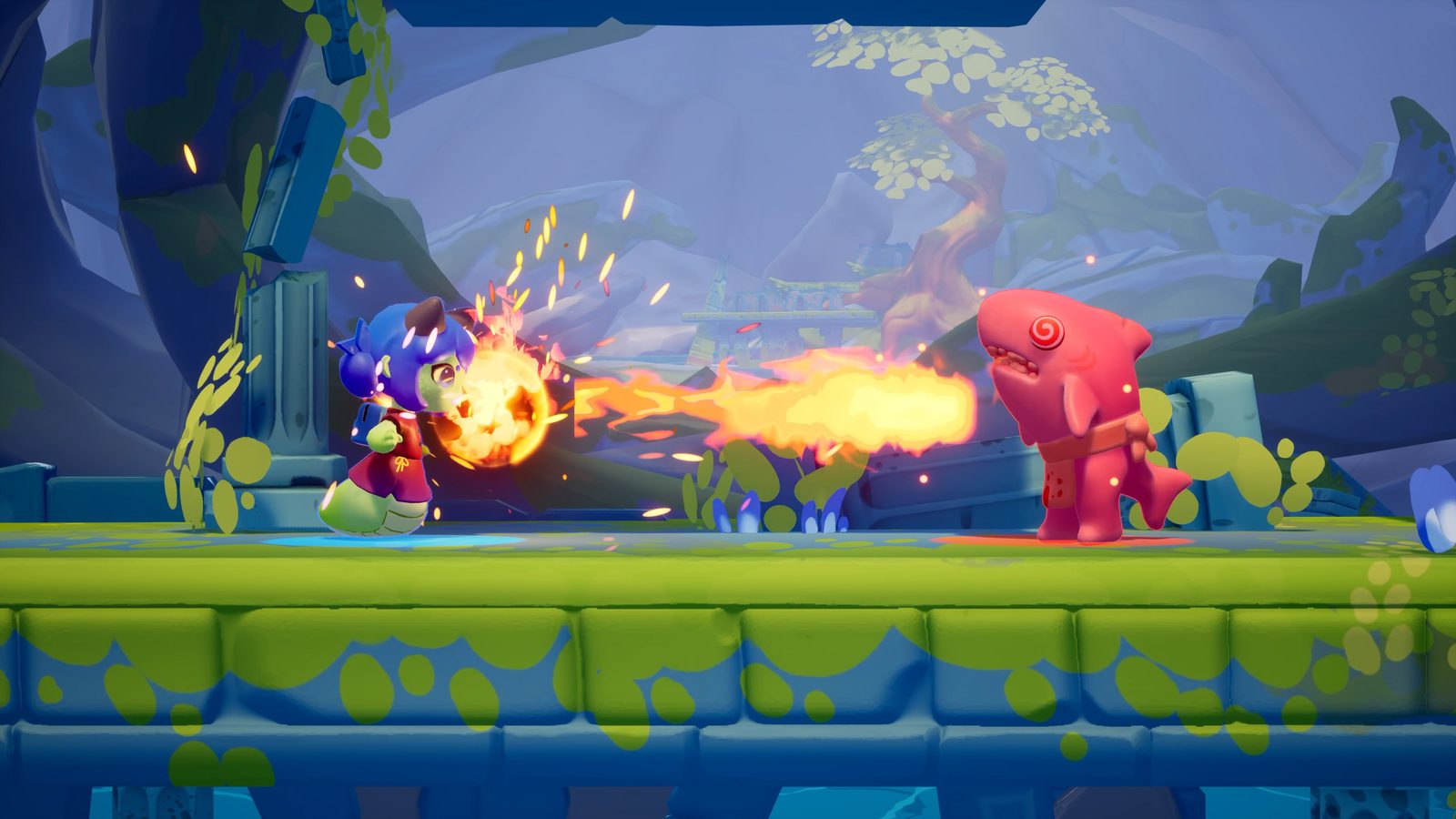
Elemental Brawl is a multiplayer party fighter released on Steam in January 2026, made by a team of 8 people at Mayor Games. I was the game's lead designer, and the element combination system was my core responsibility from prototype to launch.
The problem
The heart of the game is picking up elements scattered around the arena and mixing them. That creates a hard design question: how do you make combinations that players understand at first sight, without being so obvious that nobody gets surprised?
If Fire plus Water turned into something random, players could not plan. If it just meant "more damage", there would be no discovery. The thesis that guided the whole system: each fusion needs to be what the player imagines will happen, executed in a way they had not imagined yet.
The core rule
In the released game, three base elements (Fire, Water and Stone) fuse in pairs: Water with Fire become Vapor, Fire with Stone become Meteor, and Water with Stone become Mud.
The swap rule keeps the system moving: players always carry the last two elements they picked up. Grab a third, and the oldest one drops out while the new one fuses with what stayed. No menu, no pause. Changing combinations happens while running across the map, and reading the arena becomes part of the strategy.
Each element, base or fusion, has its own basic attack and special. And one baseline decision holds the whole system up: even with no element at all, every player keeps a universal basic and special, the punch and the kick, weaker on purpose. Whoever spent all their element's mana is not held hostage by the match: they can still fight back, still take that last point of health. The weakness is calculated to push players toward hunting elements without ever stalling the fight.
My direction for pickups followed the same logic of immersion: elements would look like natural props of the scenery, a torch, a fountain, a rock, instead of loud collection markers. In the game those objects got a subtle edge highlight, enough for any player to notice they could interact, without breaking the illusion that it was just scenery. The feeling we were after: the player believes stealing fire from a torch was their own clever idea, like they are cheating the map, when that is exactly what the game wants. In one sentence: master the environment, defeat your opponents.
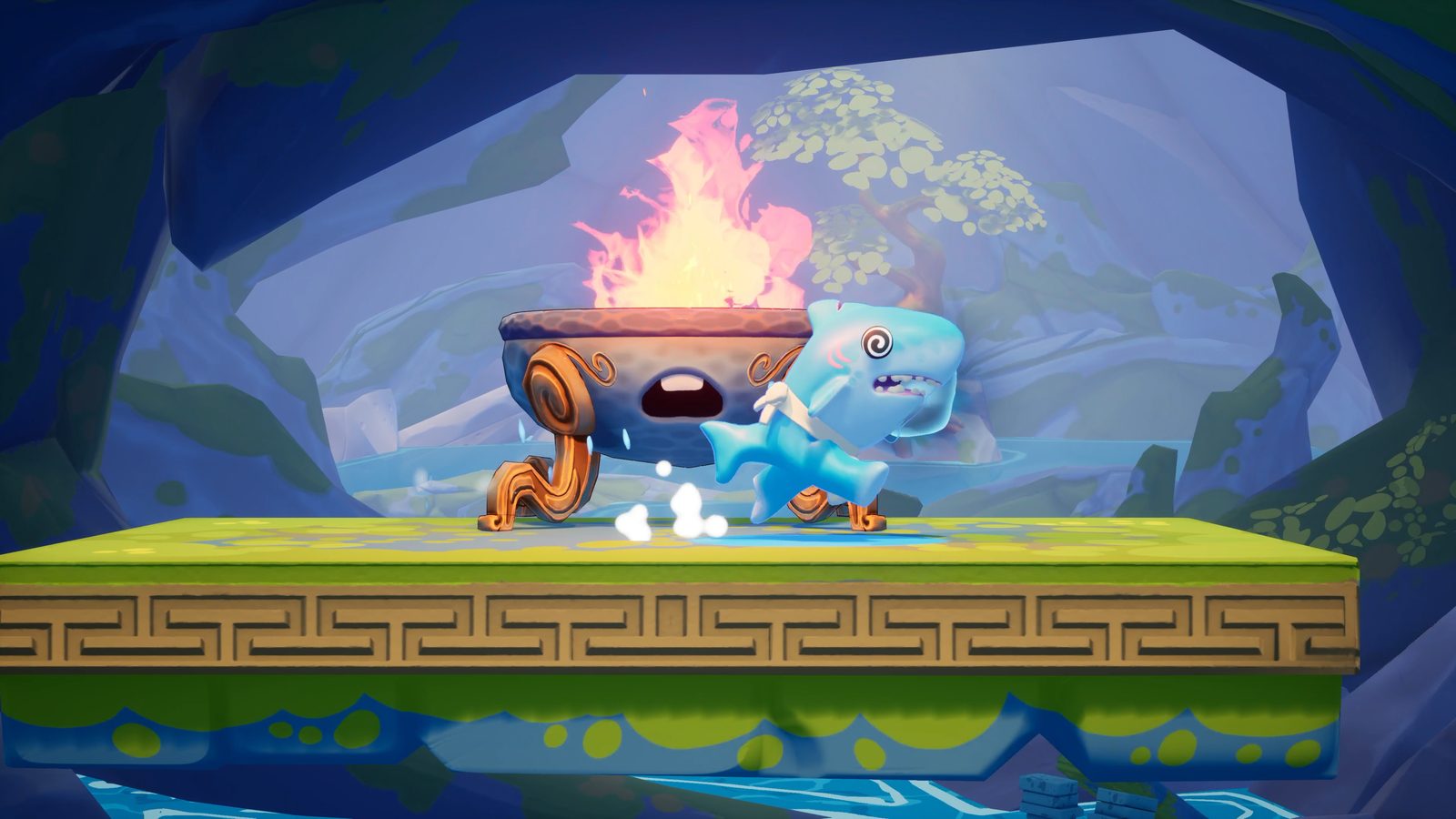
The process
I started with no filter on purpose. The design notebook has pages and pages of brainstorm, from serious to absurd, because volume at the start buys quality at the end.
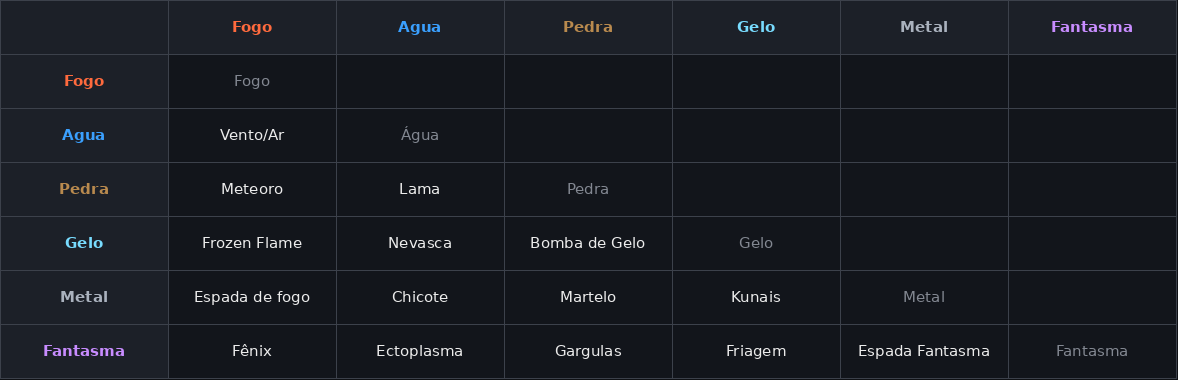
Then I organized the possibility space into a matrix: every pair of elements got its own page in OneNote. That became 153 mapped combinations, covering around 20 elements, of which 32 received a complete specification: basic and special attack behavior, tuning tables (cost, cooldown, speed, range, damage per stage) and edge rules thought through case by case, like effect stacking limits, timing windows and who gets credit for the kill.
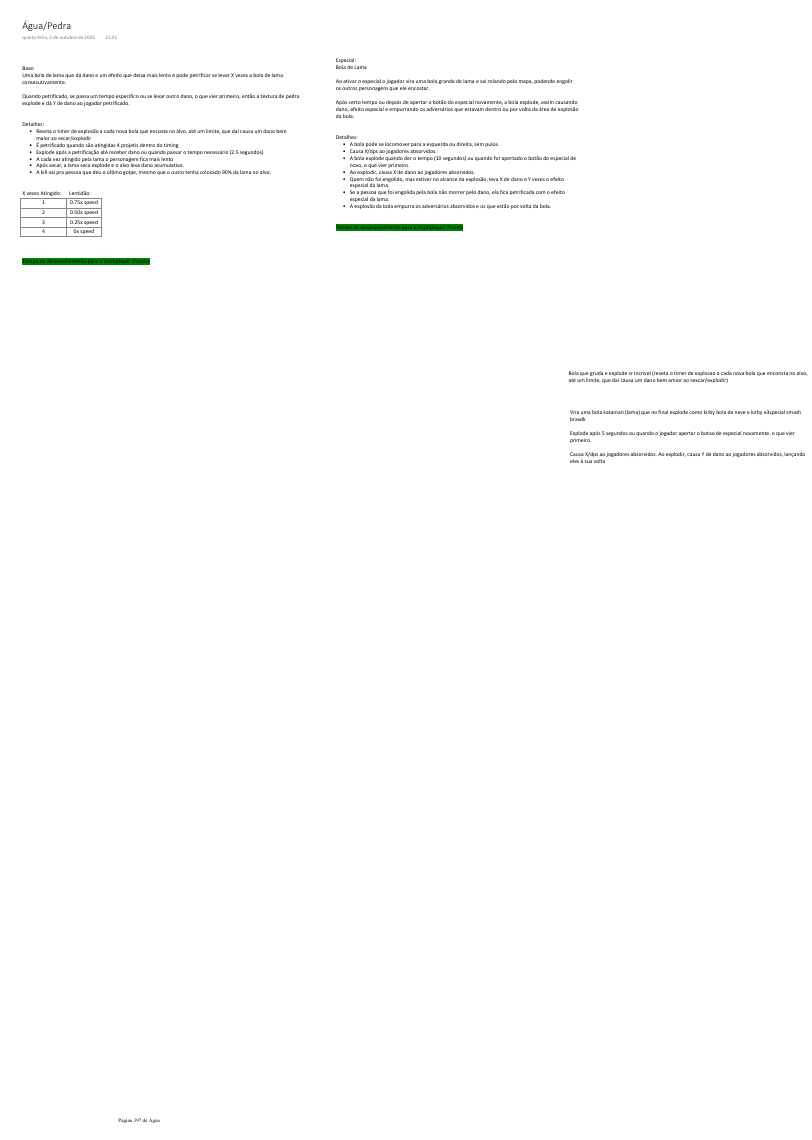
Every design went through stages before reaching the director: Doing, Rework, Clean Up and To Show. What survived the funnel was tested in playtests recorded with date and feedback.
Communicating design to each discipline
A spec only works if the people implementing it understand it. Over time I developed a documentation format agreed with each discipline. For the programmer: the rule in text plus hand drawings on paper, photographed and pasted into the page, explained live. For VFX and animation: real world visual references, videos, and keyframes from reference games printed frame by frame, annotated with what I wanted and what I did not want.
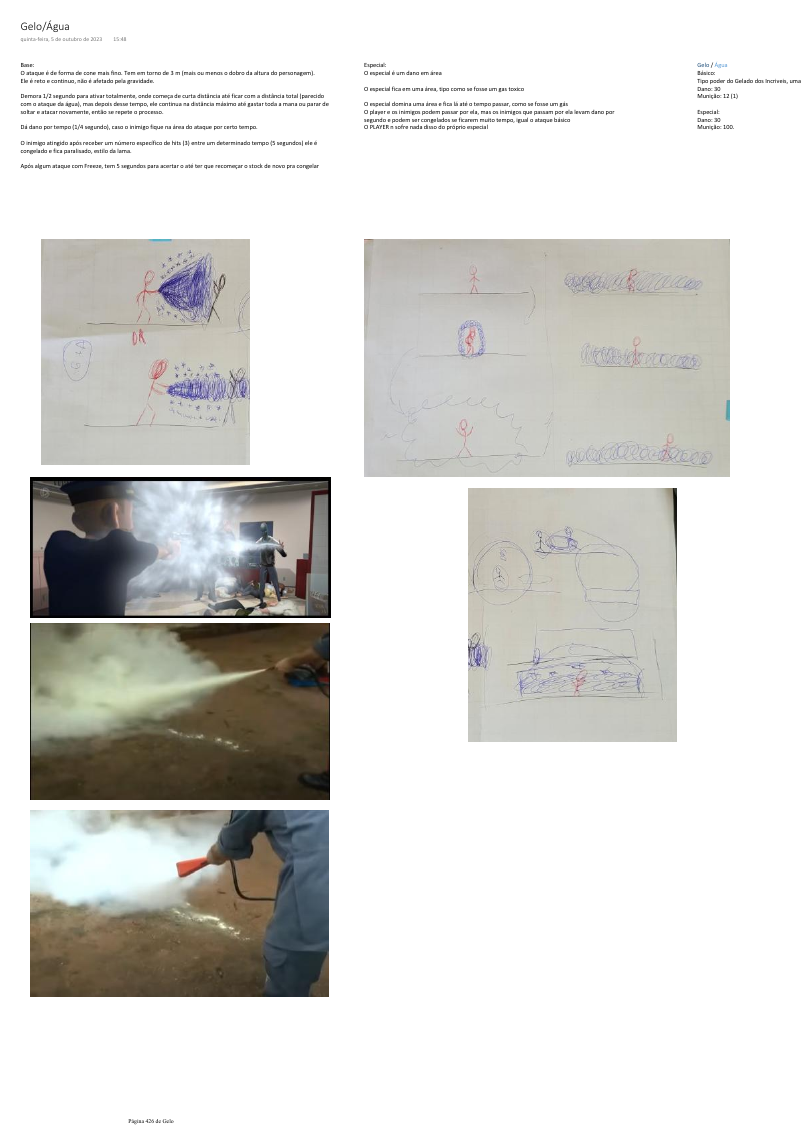
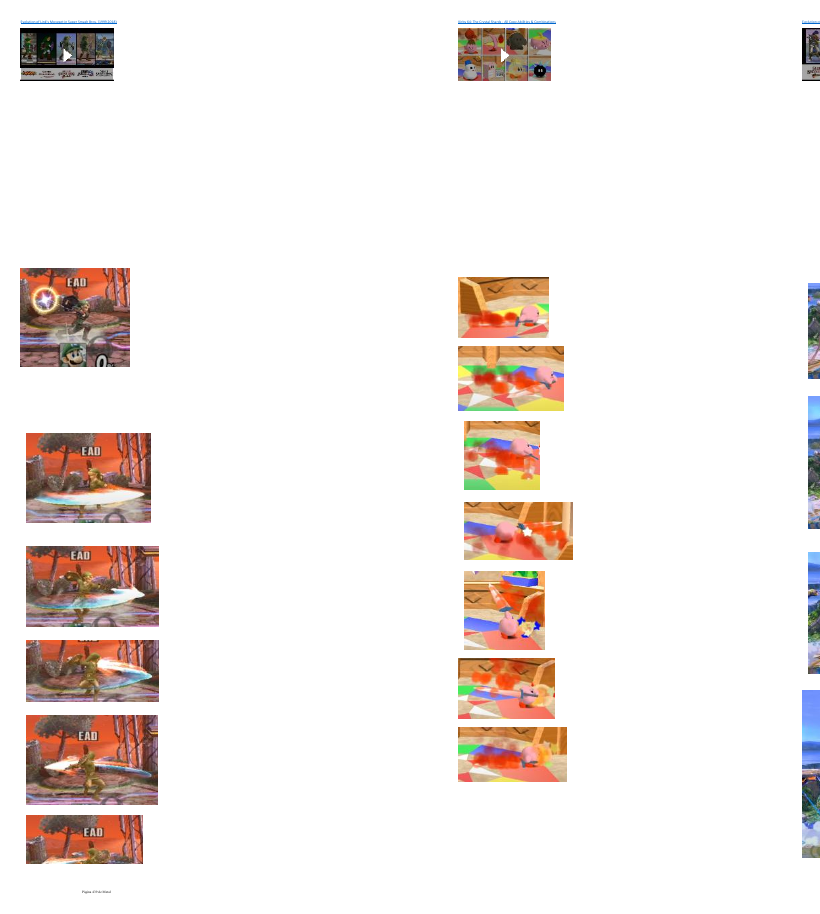
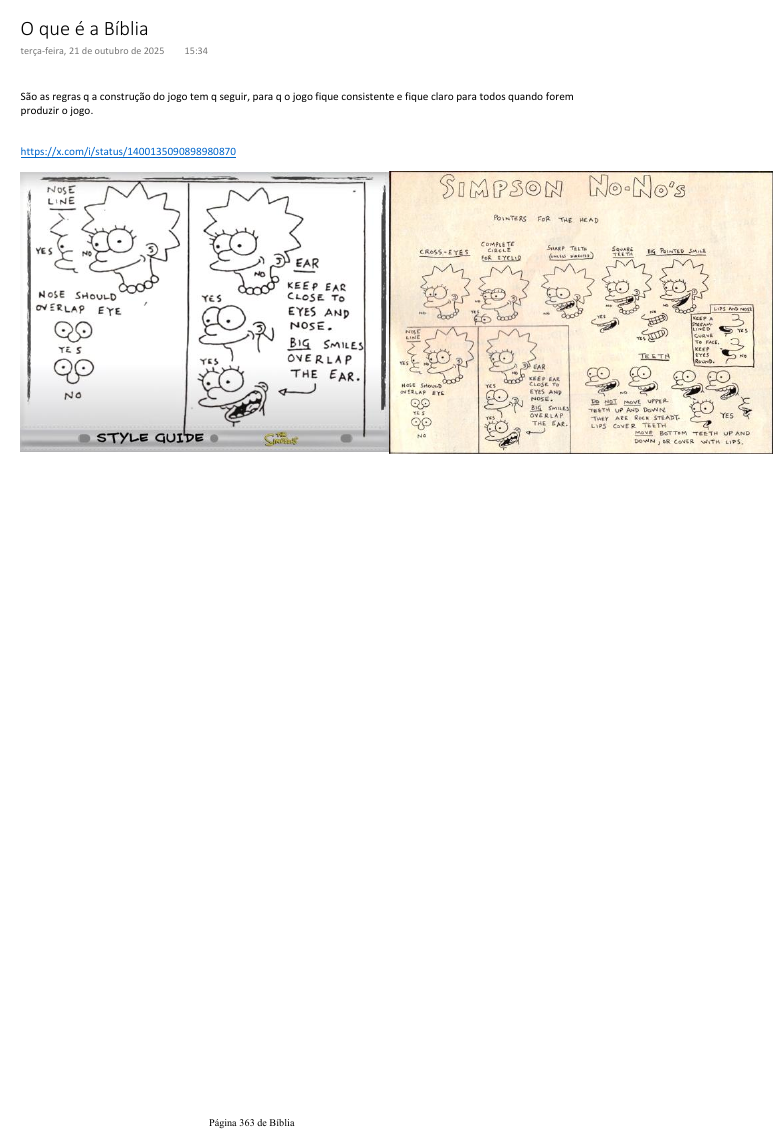
To keep everything coherent across the team, I maintained the "Bible": the rules the game's construction had to follow so it stayed consistent and clear for everyone.
The cut
The funnel ended like this: three base elements and three fusions at launch. Ice, Ghost and Metal stayed approved and tested as the next wave, and three more packs (Lightning/Laser/Plant, Psychic/Darkness/Energy, Arcane/Spirit/Technology) designed on paper, feeding the update plan toward version 2.0.
Cutting 150 combinations to ship 3 was not losing work. It was making sure the core shipped polished, with a content path ready to grow later.
Result
The game was commercially released on Steam in January 2026, with positive reviews. The element system is the center of the game's identity, from the store page to the post launch content plan.
What I take from this project: readability comes before complexity, volume of ideas at the start buys quality at the end, and a well made cut does not discard design, it stores future.